
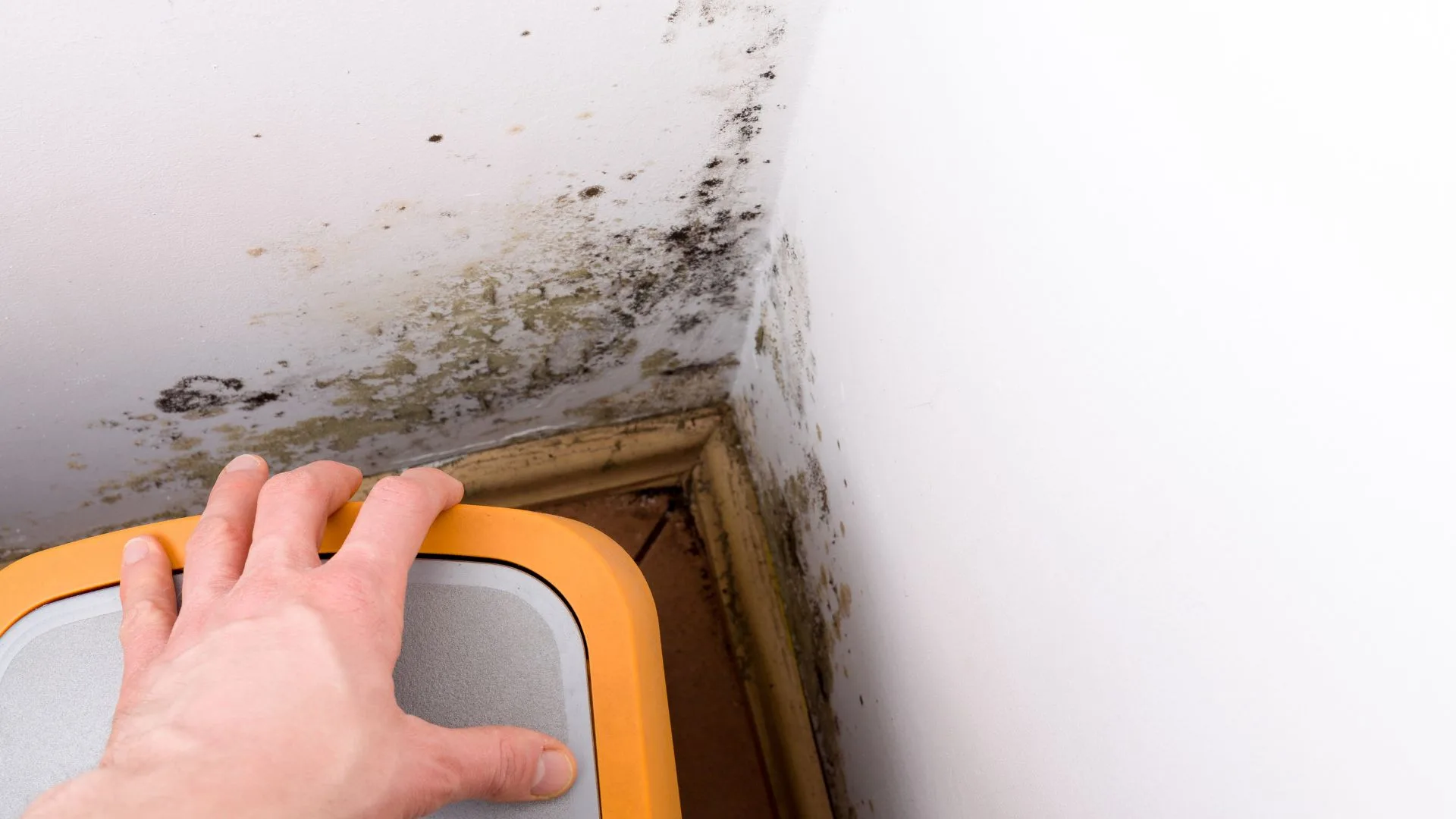
Certified Mold Testing.
Fast Answers. Clear Next Steps.
Suspect mold? Get objective, lab-verified results and a
step-by-step remediation plan from impartial experts. No scare
tactics—just facts.
Mold Testing Services
We tailor your inspection to the building, symptoms, and moisture patterns we find on‑site.
Comprehensive Inspection
Moisture mapping, thermal imaging, and visual assessment to locate sources and conditions that support mold growth.
- Report with findings & photos
- Whole‑home assessment
- Leak & humidity diagnostics
Air Sampling
Indoor/outdoor comparison to quantify airborne spores and identify species of concern.
- Calibrated pumps & cassettes
- AIHA lab analysis
- Interpretation & thresholds
Surface & Tape Lifts
Targeted sampling to verify suspect growth on materials like drywall, wood, and HVAC grills.
- Culture & direct microscopy
- Species confirmation
- Remediation guidance
Post‑Remediation Verification
Independent clearance testing to confirm a successful remediation before rebuild.
- Visual & moisture criteria
- Air/surface sampling
- Pass/Fail documentation
Real Estate & Landlord Reports
Fast reporting and clear scopes suitable for transactions and tenant communications.
- Same‑day site visits
- PDF reports with photos
- Agent/landlord friendly
Commercial & Multi‑Unit
Scalable testing plans for offices, schools, HOA properties, and healthcare.
- After‑hours scheduling
- Compliance documentation
- Ongoing IAQ programs
How It Works
No fluff. Transparent steps from your first call to actionable results.

1 – Schedule
Call or book online. We confirm scope, symptoms, and timeline.

2 – Inspect
On‑site moisture and visual assessment, then targeted sampling.

3 – Analyze
AIHA‑accredited lab evaluates samples; we interpret the data.

4 – Report
You receive a clear report with photos, results, and remediation plan.
Mold Exposure Symptoms
Is Mold Making You Sick?
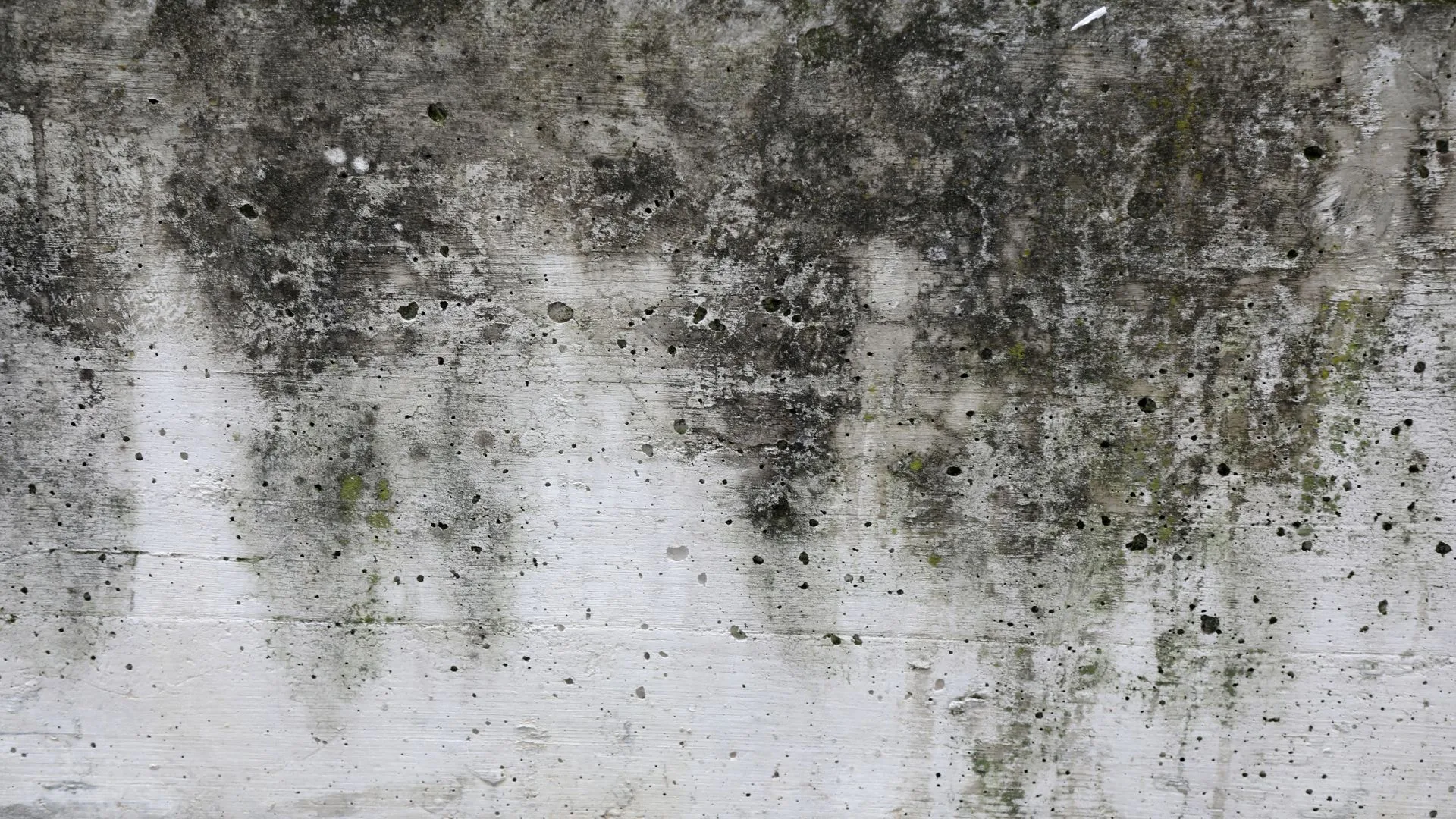
If you live in Virginia and suspect your home or workplace has mold, your health could be at risk. There are more than 100,000 species of mold that can develop after water damage — many of which can release harmful toxins into the air you breathe.
Below is a guide to common mold exposure symptoms, grouped by severity. If you’re unsure whether your home environment is affecting your health, take our Free Online Mold Health Screening to get quick answers.
Customers Say It Best
Real feedback from homeowners, buyers, and property managers.
“Dry Force found the source of our moisture and gave us a plan that actually made sense. Results in two days.”
– Jenna M.
“Straightforward, no pressure. The report helped my
contractor pass clearance on the first try.”
– Luis R.
“Fast scheduling and they explained everything in plain English. Highly recommend. “
– Avery K.
Service Areas
Proudly serving Your City and neighboring communities.
Stafford County
Fredericksburg
King George
Spotsylvania
Richmond
Ashland
Alexandria
Northern Virginia
Woodbridge
Arlington
Manassas
Springfield
Culpeper
Warrenton
Chester
Chantilly
Not sure if we cover your area? Ask us!

FAQ
Short, honest answers to the common questions.
How fast can I get results?
Most projects receive lab‑verified results within 24–48 hours. Rush options available.
Will you tell me exactly what to do?
Yes. Your report includes a prioritized remediation plan with materials, methods, and clearance criteria.
Do you also remediate?
We’re testing‑only for unbiased results. If needed, we can refer vetted remediation contractors.
Is air sampling always required?
No. We design a sampling plan that fits the building and symptoms, often combining moisture data, surfaces, and air.