
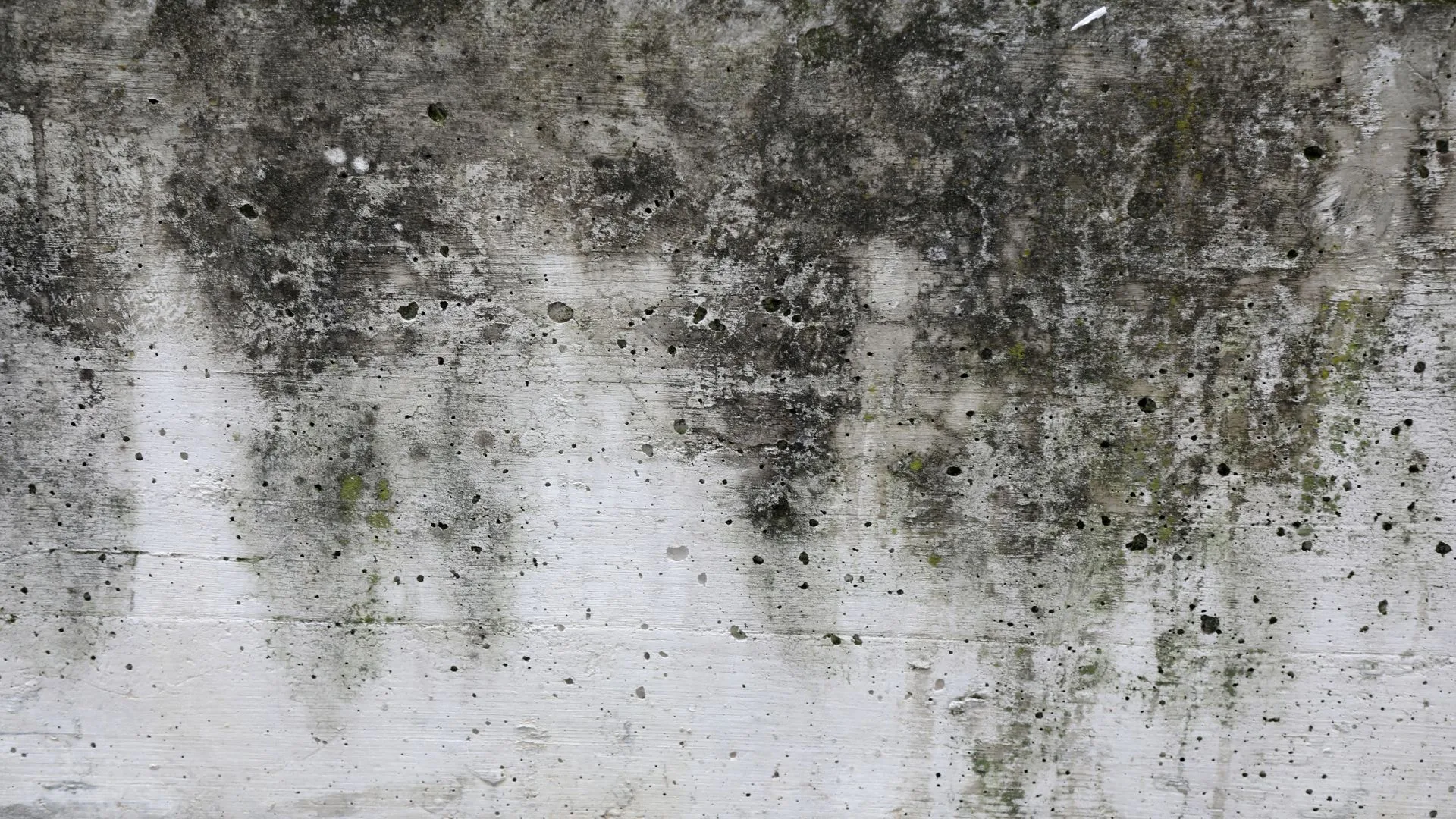
Mold symptoms
Free Online Mold Health Test
Find out if your symptoms may be related to hidden mold in your Virginia home.
4 Key Factors That Affect Mold Symptoms

1. Mold Spore Levels
When indoor mold spore counts are higher than those outdoors, symptoms often worsen. Professional air quality testing in Virginia homes can identify dangerous spore concentrations.
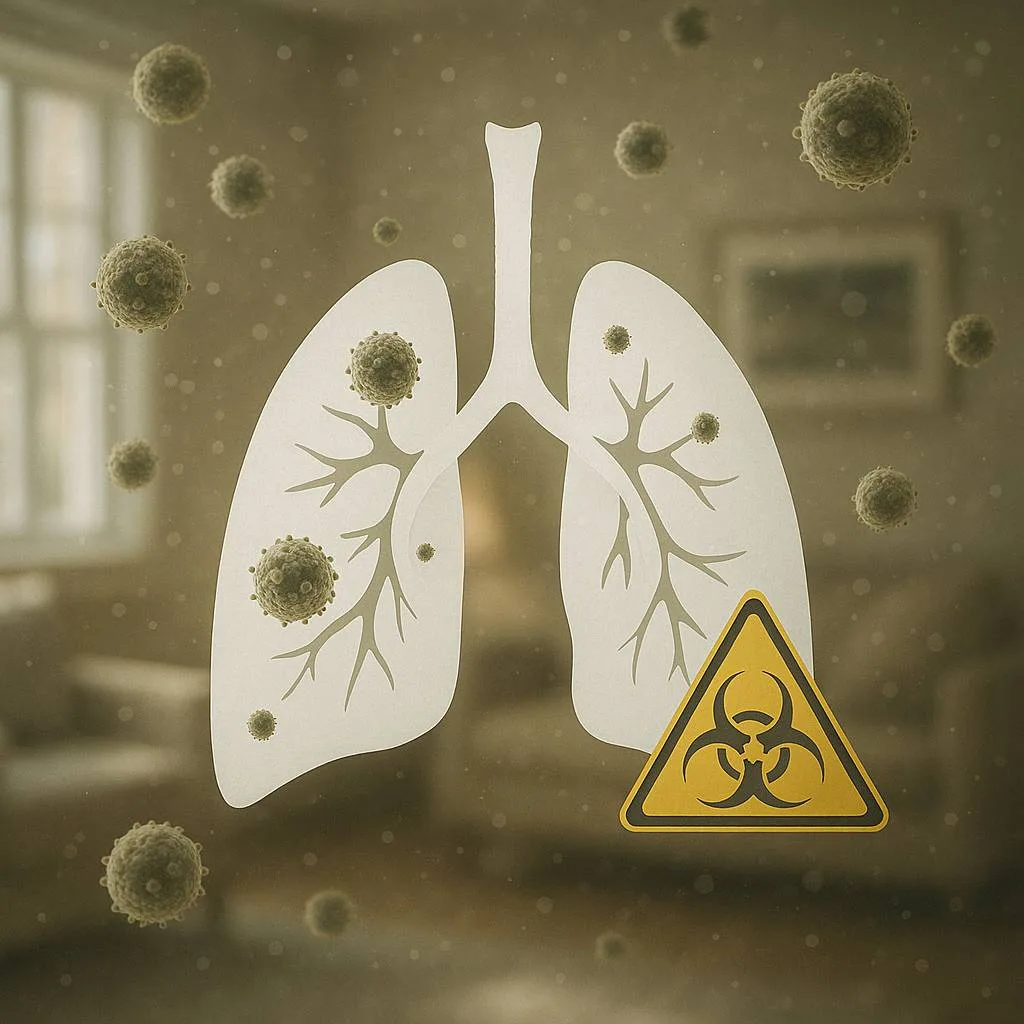
2. Mold Toxins (Mycotoxins)
Molds produce mycotoxins, microscopic toxins that can attach to airborne particles and enter your body through breathing or skin contact. Both the CDC and EPA classify mycotoxins as carcinogens (cancer-causing substances).
3. Duration of Exposure
The longer you’re exposed to mold, the greater your risk of serious health issues like mycotoxicosis. Long-term exposure allows mold particles to accumulate in the body and overwhelm your immune defenses.

4. Immune System Sensitivity
Not everyone reacts to mold in the same way. Age, allergies, and immune strength all play a role. In many Virginia households, one family member may experience severe symptoms while others have none.

Connecting Health and Environment
The only way to confirm whether your health symptoms are caused by mold is through professional mold testing combined with medical evaluation.
Our Virginia mold inspection specialists work closely with healthcare professionals to identify toxic mold exposure and create a clear plan for remediation.
If you believe mold could be impacting your health, schedule a comprehensive mold inspection in Fredericksburg, Richmond, or Northern Virginia today.
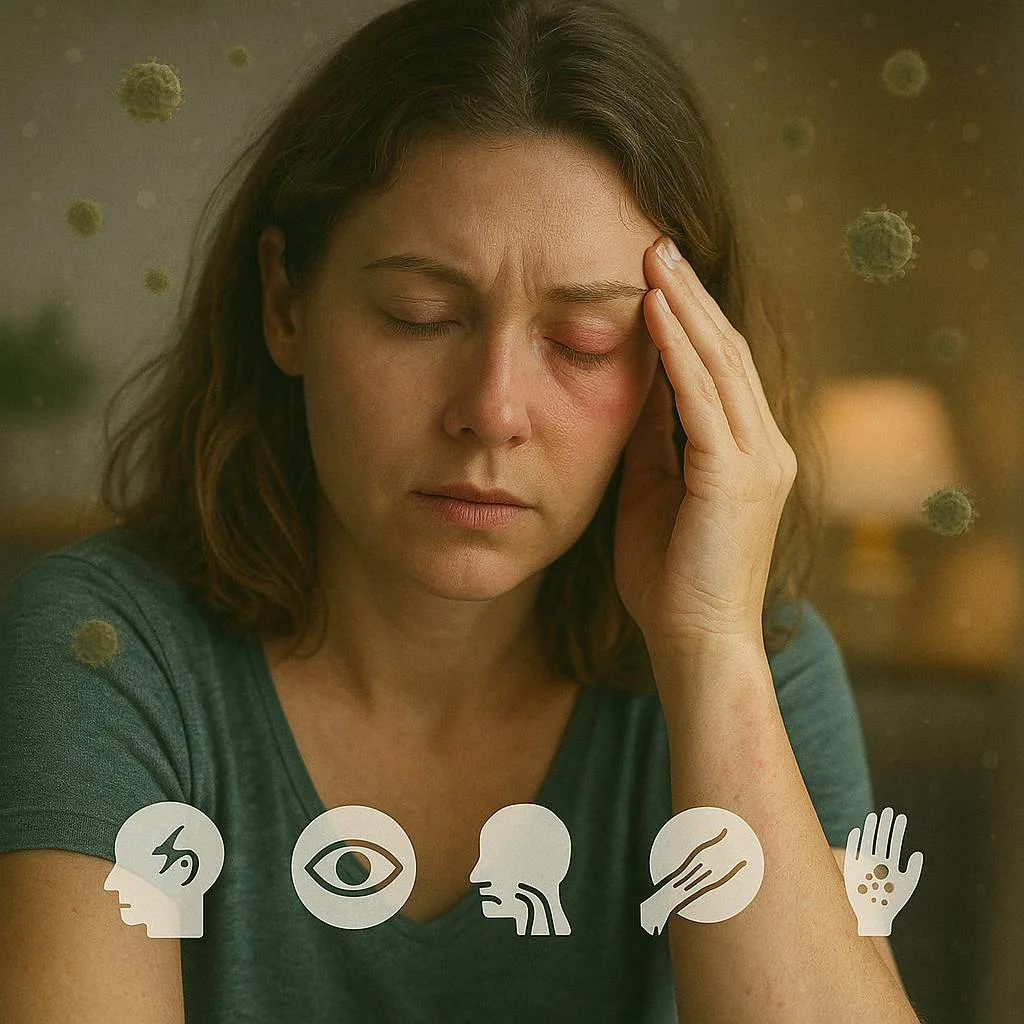
Level 1: Early Mold Exposure
These are common early warning signs that mold spores may be affecting your body:
- Rashes or skin redness
- Headaches
- Eye irritation or redness
- Sneezing and nasal congestion
- Itchy skin
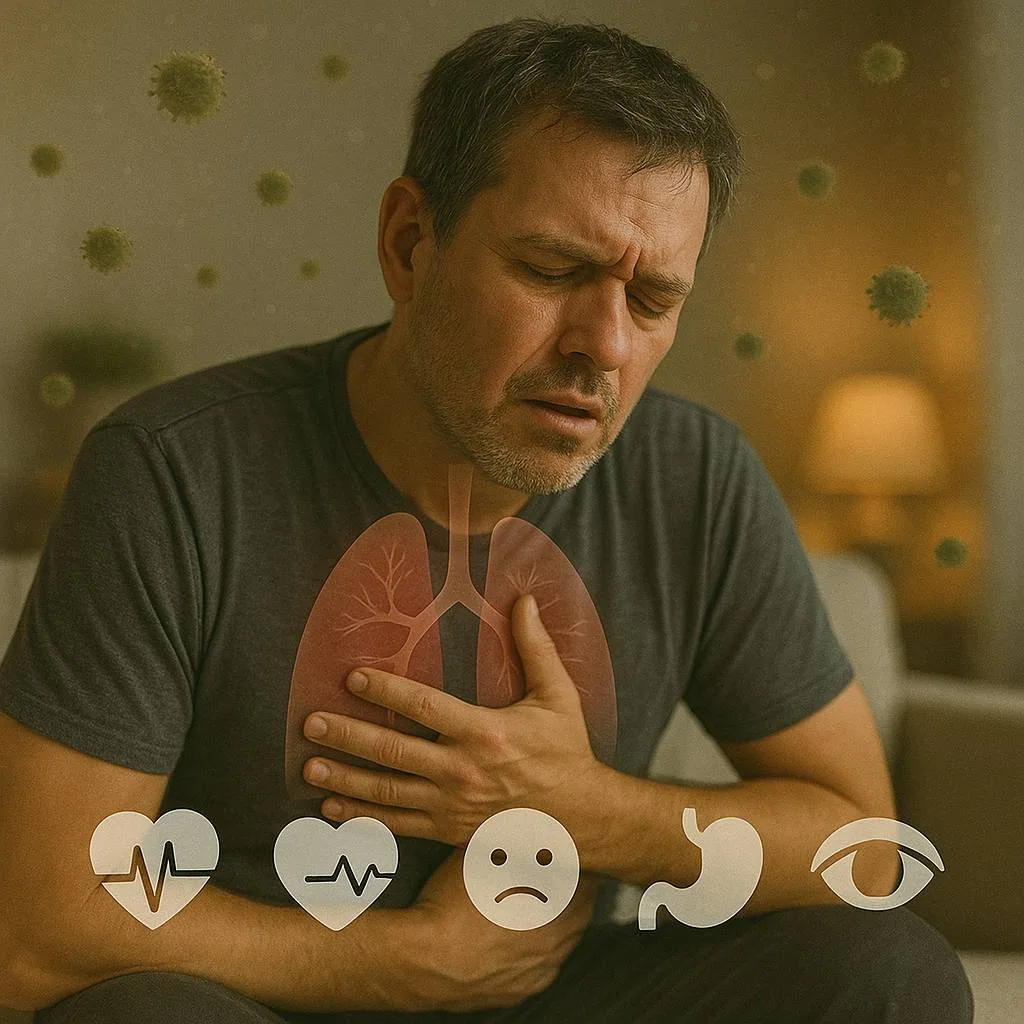
Level 2: Advanced Mold Exposure
Prolonged or repeated mold exposure can cause more severe symptoms and chronic inflammation:
- Breathing issues or shortness of breath
- Chronic sinus infections or bronchitis
- Asthma or worsening respiratory illness
- Muscle and joint pain
- Nausea, vomiting, or diarrhea
- Coughing up blood
- Heart palpitations
- Fatigue and weakness
- Blurred vision
- Depression or anxiety
- Thyroid dysfunction
- Fungal nail infections
- Open sores or skin lesions
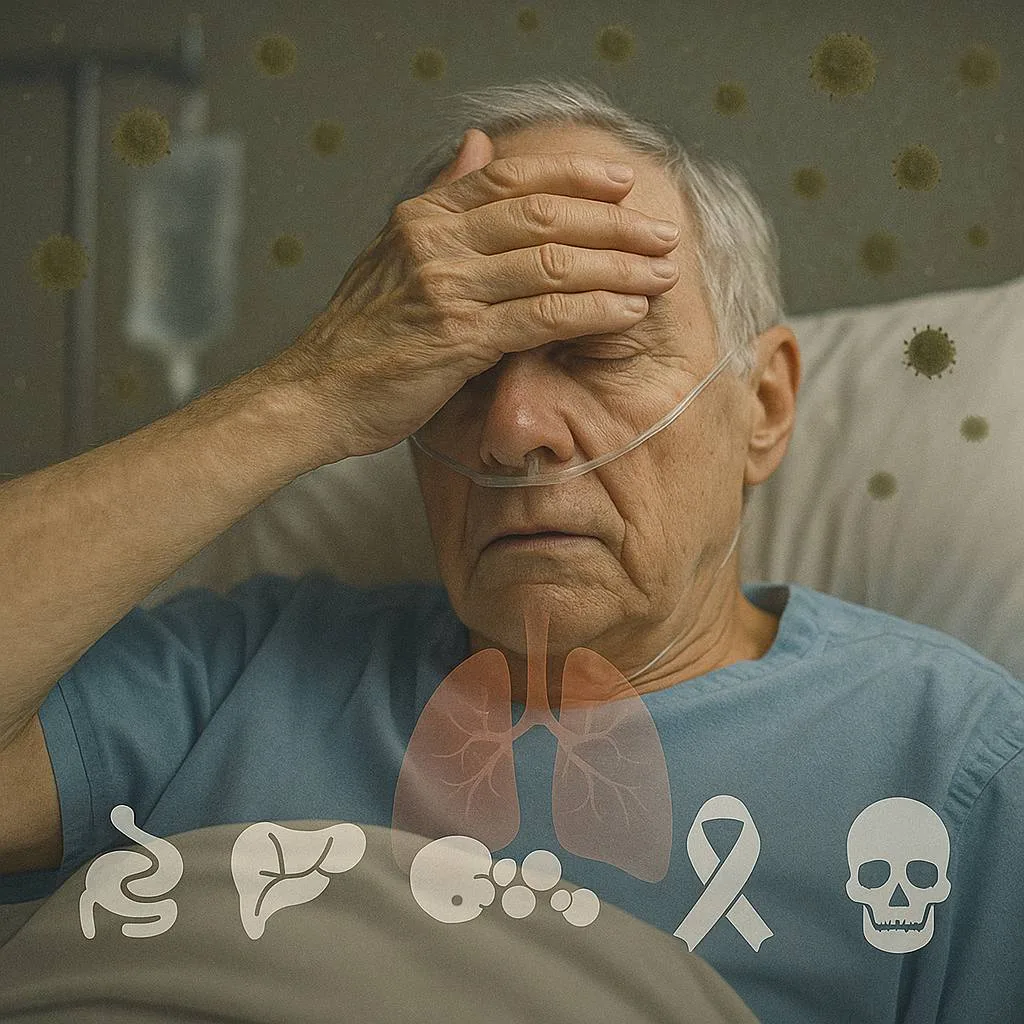
Level 3: Long-Term Mold Exposure
Long-term exposure to toxic molds such as Stachybotrys chartarum (black mold) can cause serious, even life-threatening, health effects:
- Blindness
- COPD (Chronic Obstructive Pulmonary Disease)
- Hypersensitivity Pneumonitis
- Liver or kidney disease
- Histoplasmosis
- Memory loss and cognitive decline
- Cancer
- Death

⚕️ Common Misdiagnoses of Mold Illness
Mold-related illnesses are often mistaken for other chronic conditions, making diagnosis difficult. Some of the most common misdiagnoses include:
- Fibromyalgia
- Rheumatoid Arthritis
- Lupus
- COPD
- Lyme Disease
- Chronic Fatigue Syndrome
- Inflammation or immune disorders
If you’ve been diagnosed with one of these conditions but continue to experience unexplained symptoms — especially ones that worsen indoors — hidden mold exposure may be the cause.