
Table of Contents
- Why Virginia’s Humidity Creates Ideal Conditions for Mold
- The Role of Air Conditioning in Moisture Control
- The Risk of Open Windows and Doors
- Common Areas Where Mold Develops
- Signs of Mold Growth to Look For
- The Importance of Professional Mold Testing
- Preventing Mold Growth While You’re Away
- Professional Mold Testing by Dry Force
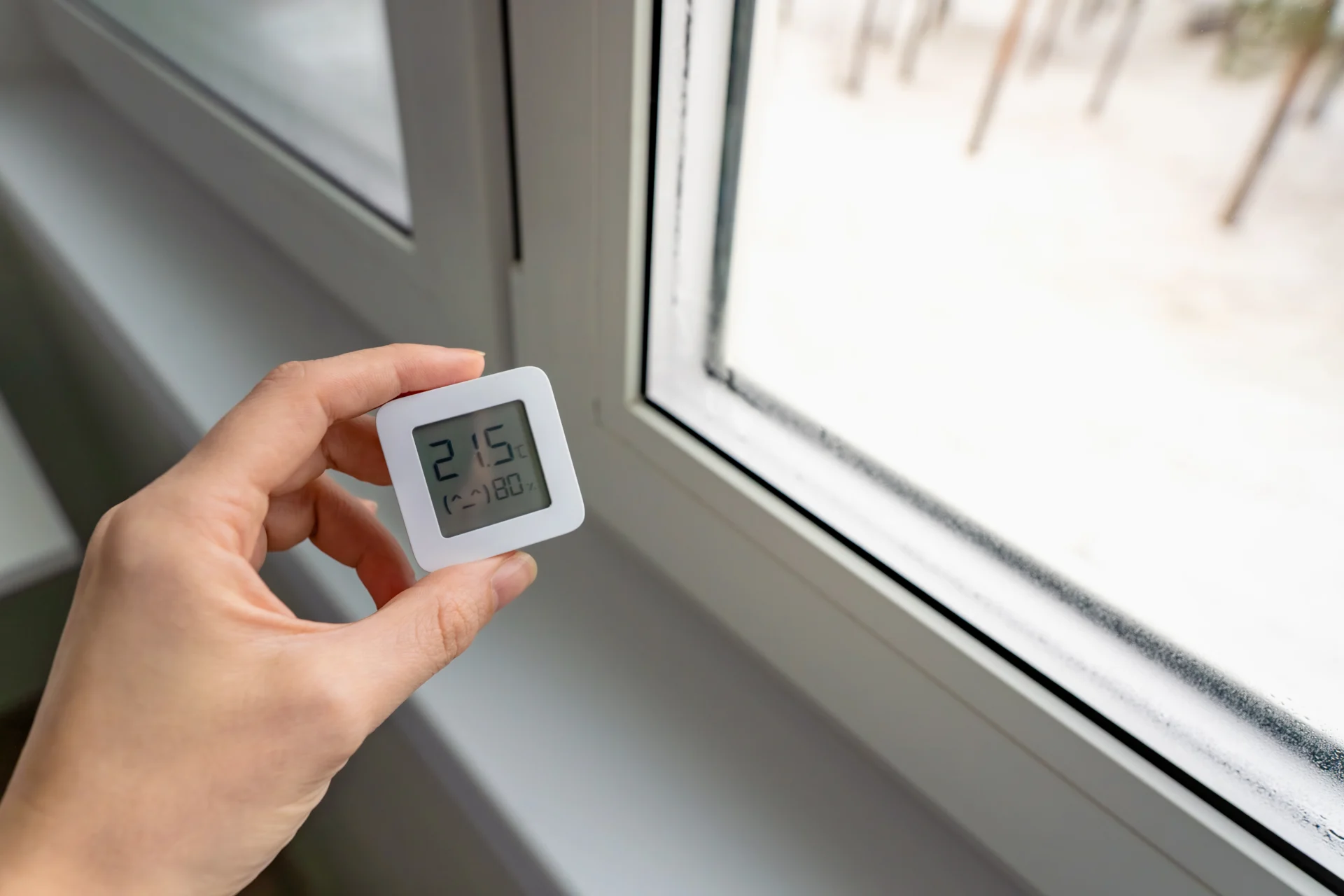
Virginia is known for having a humid climate, especially during the hot summer months. These high humidity levels can create mold problems, even without leaks or flooding.
In this blog post, we’ll explore how Virginia’s climate can create ideal conditions for mold, the role of air conditioning systems in controlling humidity, the risk of opening your doors or windows, and the role of professional mold testing by the experts at Dry Force.
Why Virginia’s Humidity Creates Ideal Conditions for Mold
Moisture in the air feeds mold spores, creating the ideal environment for them to grow and spread. In Virginia, summertime humidity levels can rise to between 75 and 90 percent, which is much higher than what’s generally considered to be pleasant (40–60 percent). The Environmental Protection Agency’s recommendation for indoor humidity levels is even lower than that; they advise homeowners to keep it between 30 and 50 percent.
Mold thrives in warm, damp environments like those created in the Virginia summertime. Even without visible water damage, airborne moisture settles on surfaces. The high temperatures combined with high humidity levels speed up mold colonization, especially on porous materials like drywall, wood, and carpet.
The Role of Air Conditioning in Moisture Control
Air conditioning systems play a critical role in controlling indoor moisture levels. The warmer the air is, the more moisture it can hold — that means that cooling the air means lowering humidity. Many AC systems also have built-in humidity controls that remove moisture from the air as it circulates through.
This is why keeping the AC on — even if you’re going to be away for a couple of days — is so important. It prevents moisture levels from climbing too high, protecting your furniture, flooring, walls, and belongings from mold growth.
The Risk of Open Windows and Doors
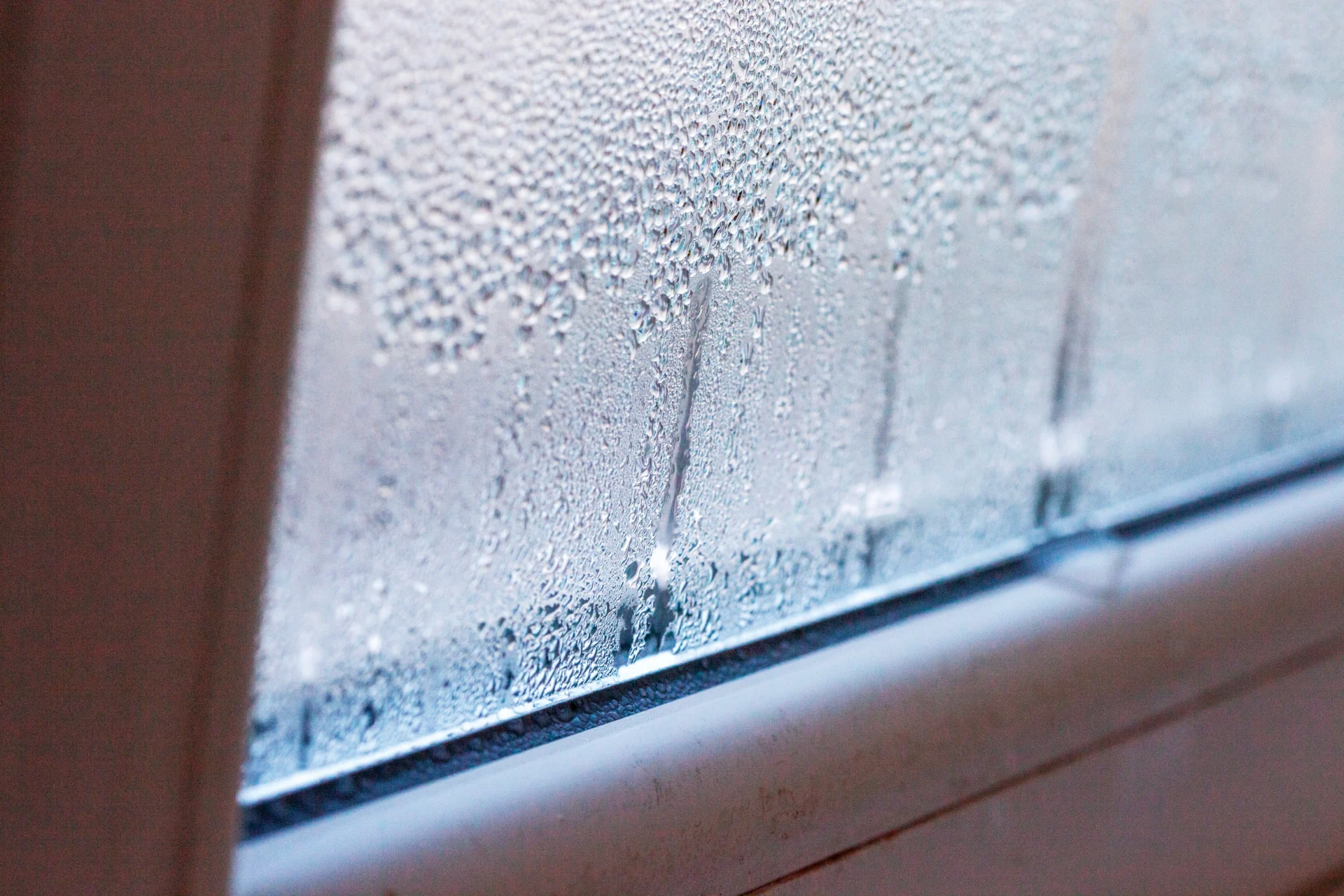
Even small openings — like leaky door seals or cracked window panes — can allow large amounts of moisture to infiltrate your home. If you keep your windows and doors open in an attempt to get some fresh air, you’re letting new humidity in faster than your AC can remove it, increasing the risk of condensation building up on surfaces and creating ideal conditions for mold growth.
Common Areas Where Mold Develops
Mold likes to grow in dark, undisturbed areas like in closets and basements and behind furniture. Under the right conditions — such as when humidity levels and temperatures are high — mold can begin forming in as little as 24–48 hours.
Mold commonly develops in these areas:
- Window sills and frames
- Around doorways and thresholds
- HVAC vents and ducts
- Bathrooms and kitchens
- Basements and crawl spaces
- Behind walls or under flooring
Signs of Mold Growth to Look For
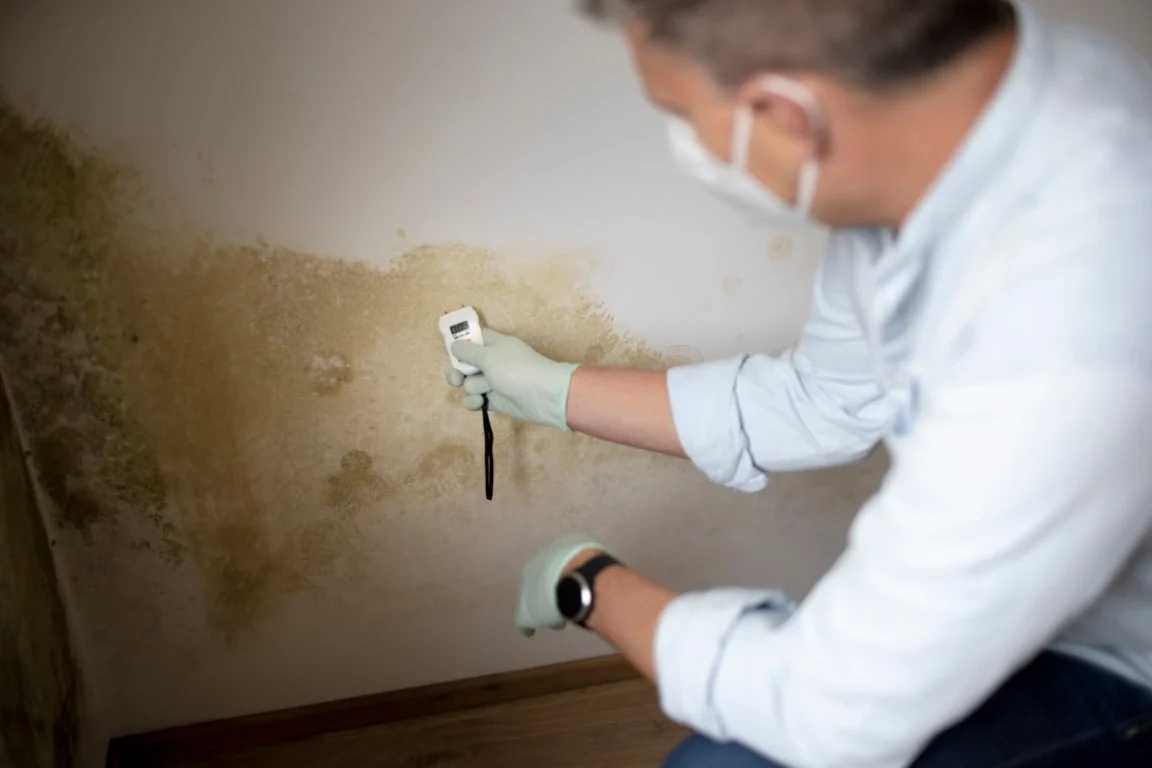
Be on the lookout for signs of mold growth, especially if you take a summer trip and are away from home for a few days. Visual indications include discoloration on walls, ceilings, or floors, along with fuzzy or patchy growth. Musty or earthy smells are also a red flag.
Be extra vigilant if you return home and the indoor humidity levels have increased or you spot condensation on windows or surfaces. These environmental changes mean that your home’s conditions have become perfect for mold growth.
However, it’s important to remember that mold often starts in hidden areas, and early stages may not be visible or strongly scented. Plus, if you leave your home vacant while you’re out of town, it’s not being monitored daily, giving mold the chance to spread unnoticed.
The Importance of Professional Mold Testing
If you suspect mold, avoid disturbing the affected area and contact a professional mold testing company like Dry Force right away. You can’t rely solely on DIY cleaning methods — not all mold is visible, and it may have spread behind walls or under flooring.
Professional mold testing involves moisture level assessments, air quality sampling, and surface testing. When you catch mold relatively early, you can prevent it from spreading, reduce the cost of remediation, and protect your home’s indoor air quality.
Preventing Mold Growth While You’re Away
If you’re planning to be out of town during the summer, make sure all of your windows and doors are securely closed before you leave. Set your AC to a consistent temperature, and if you have a smart thermostat, monitor your home’s temperature while you’re away to ensure it doesn’t get too high. Consider using a dehumidifier, as well, to be extra sure that moisture levels don’t get above 50 percent.
If you’re going to be away for an extended period of time, ask a neighbor or property manager to check on things periodically and look for early signs of mold growth.
Professional Mold Testing by Dry Force
At Dry Force, we’ve seen firsthand how easily mold can develop in Virginia’s humid climate. Even small mistakes like leaving a window open can have big consequences, which is why we encourage you to seek proactive mold testing and utilize prevention techniques to protect both your property and your health.
If you’re in need of professional mold testing in Virginia, contact Dry Force today!