
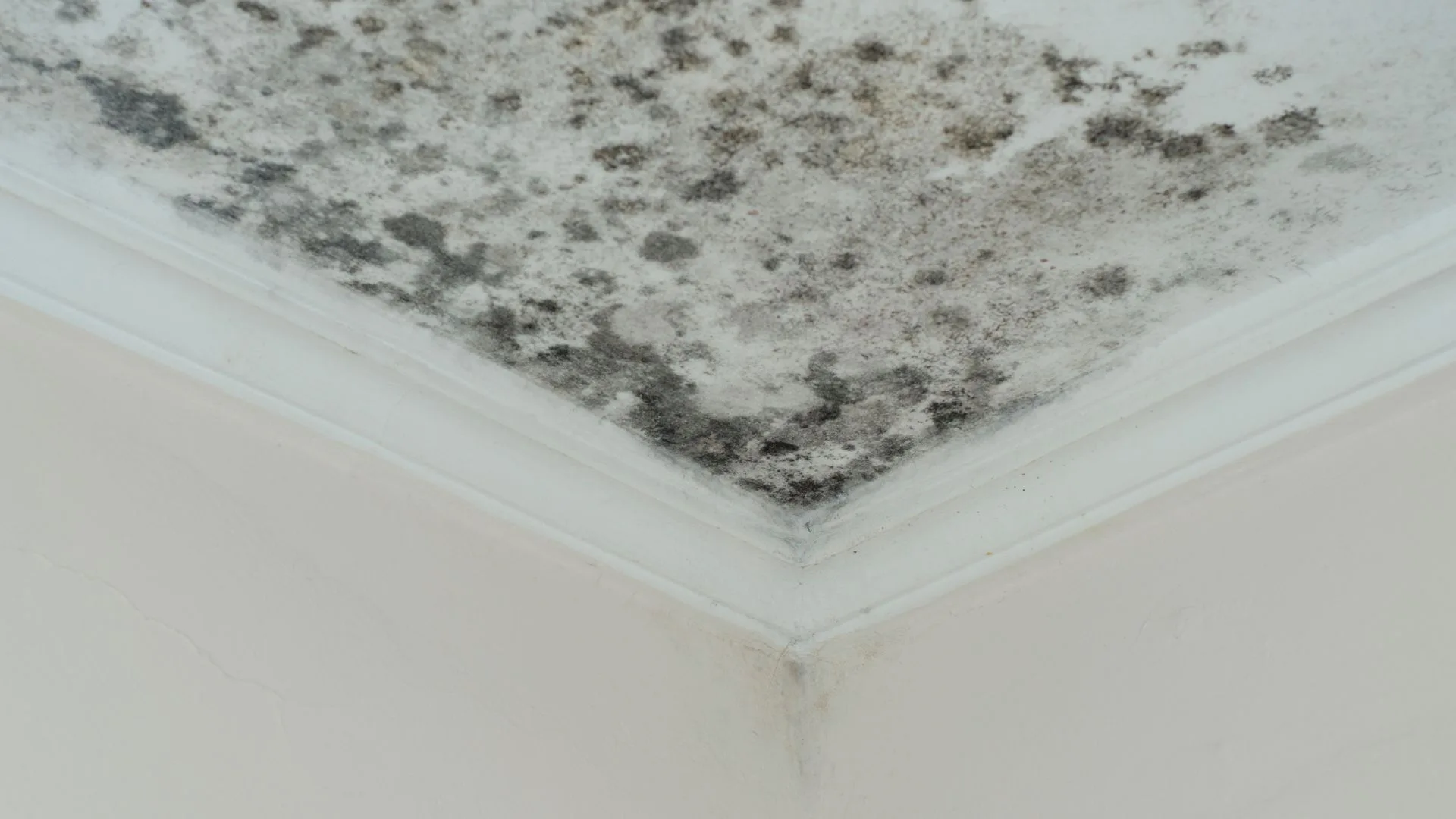
Mold is a sneaky problem that often grows out of sight long before you notice visible signs. Whether it’s the result of moisture, leaks, humidity, or poor ventilation, this hidden mold can impact your health, affect your home’s structural integrity, and worsen indoor air quality.
At Dry Force, we often find mold growth in places you may not expect. In this blog post, we’re sharing nine overlooked areas you should be aware of and when professional mold testing is needed.
Hidden Areas Where Mold Can Thrive
Mold growth can happen wherever there’s moisture, organic material, and limited airflow. It typically occurs in dark, enclosed spaces that trap humidity and condensation — the type of places you’re not checking very often.
Small leaks and minor water damage often go unnoticed, quietly becoming the site for mold growth. Homes with crawl spaces, basements, older plumbing, or recent water damage incidents are at an especially high risk of mold.
That being said, let’s look at some hidden areas that are known for mold growth:
1. Behind Walls and Drywall
Plumbing leaks inside wall cavities, roof leaks trickling down through framing and insulation, and condensation from poorly insulated exterior walls can cause mold growth behind walls. Be on the lookout for musty odors, warped drywall, bubbling paint, or unusual allergy symptoms.
2. Under Sinks and Inside Cabinets
Mold growth can also happen under sinks and inside cabinets when there’s dripping supply lines, loose drain connections, or garbage disposal leaks. When moisture is trapped in closed cabinets, it’s absorbed by the particle board and wood. Look for swollen cabinet bases, discoloration, and a mildew smell.
3. Attics and Roofs
Attics and roofs are common sites of mold growth. Ice dams and improper flashing can cause leaks, and poor attic insulation and ventilation can cause condensation. Check for dark staining on the rafters, damp insulation, or must odors in your attic.
4. Basements and Crawl Spaces
Moisture can intrude into your basement through the ground, especially if there’s cracks in the foundation or there’s been heavy rain. Plus, many basements and crawl spaces have high humidity and limited airflow, further exacerbating mold issues. Warning signs include damp odors and visible condensation.
5. Inside HVAC Systems and Ductwork
When you combine moisture inside ducts with mold spores circulating through the air, mold growth can happen inside HVAC systems. Be on the lookout for musty odors when the system runs, increased allergy symptoms, and visible debris around the vents.
6. Behind Appliances
Mold can grow behind refrigerators with clogged or leaky drip pans, along with washing machines and dishwashers with hose leaks. Poor ventilation and drainage behind appliances traps humidity, creating a breeding ground for mold. Inspect these areas regularly for damp flooring, warped baseboards, and mildewy smells.
7. Around Windows and Doors
Mold growth often happens around windows and doors, especially when they’re not properly sealed. Condensation buildup and water intrusion during storms create the perfect environment for mold to thrive inside wall framing and trim. If you suspect a mold problem, look for peeling paint, soft wood, and condensation between panes.
8. Bathrooms Beyond Visible Surfaces
Mold commonly grows in hidden areas of bathrooms, such as behind the tile, under the tub, and behind the vanity. This can be caused by inadequate ventilation and plumbing leaks. Signs of mold growth in the bathroom include loose tiles, persistent humidity, and unusual odors even after cleaning.
9. Storage Areas and Closets
Check your storage areas for musty smells on clothing or boxes and surface spotting on the walls. These are signs of mold growth due to poor air circulation, stored items blocking airflow, or condensation caused by exterior wall temperature differences.

Why DIY Checks Often Miss Hidden Mold Growth
Even if you’re aware of the signs of a mold problem, it’s easy to miss mold growth in concealed areas. Simple visual inspections cannot detect airborne spores or hidden moisture, and home testing kits may provide misleading or incomplete results.
That’s where professional mold testing comes in. Turn to the certified technicians at Dry Force after water damage, if you notice persistent musty odors or humidity problems, when you’re buying or selling a home, or mold reappears repeatedly despite cleaning. We’ll perform air sampling to detect airborne spores, moisture detection, take samples of various surfaces and cavities, and provide clear guidance for remediation if required.
If you suspect hidden mold growth, contact Dry Force today to schedule an expert inspection.