
Table of Contents
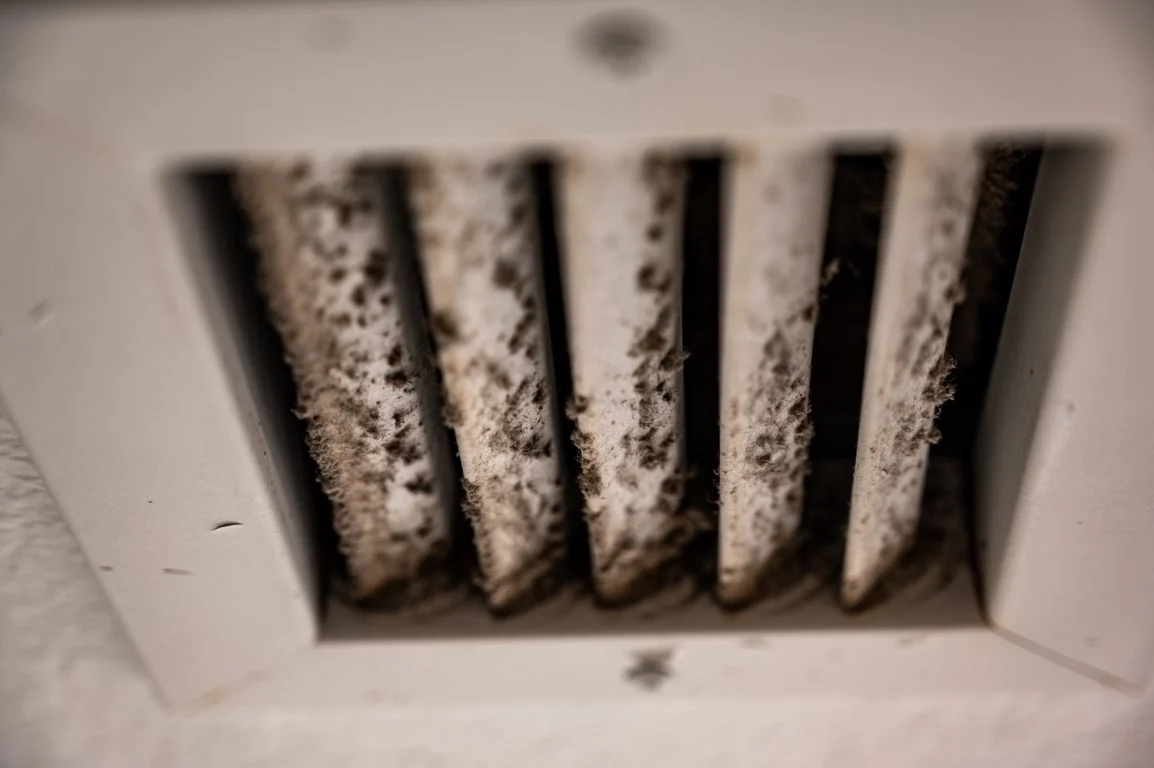
HVAC systems are a common hiding place for mold. With plenty of dust and debris to feed on and moisture buildup from condensation, your HVAC system can quickly become a breeding ground for mold, spreading spores throughout every room of your house.
At Dry Force, we know that mold in your HVAC system can pose a serious threat to your indoor air quality and put your family’s health at risk. We’ve seen firsthand the destructive effects of HVAC mold growth, which is why we’re sharing this helpful guide. If you suspect a mold infestation somewhere in your HVAC system, keep reading to learn possible causes, signs to look for, how to get rid of it, and the role of professional mold testing services from our team.
What Causes Mold Growth in HVAC Systems
First, let’s go over what causes mold to grow in HVAC systems. This can happen due to a combination of factors, including:
- Moisture from condensation on coils and ductwork
- High indoor humidity levels
- Poor drainage or clogged condensate lines
- Dirty air filters and dust accumulation
- Improper HVAC maintenance
- Flooding or water leaks near HVAC components
Depending on the cause of the mold, it may hide in the evaporator coils, condensate drain pans and lines, air ducts and insulation, air handlers, blower compartments, registers, or vents — no component is safe!
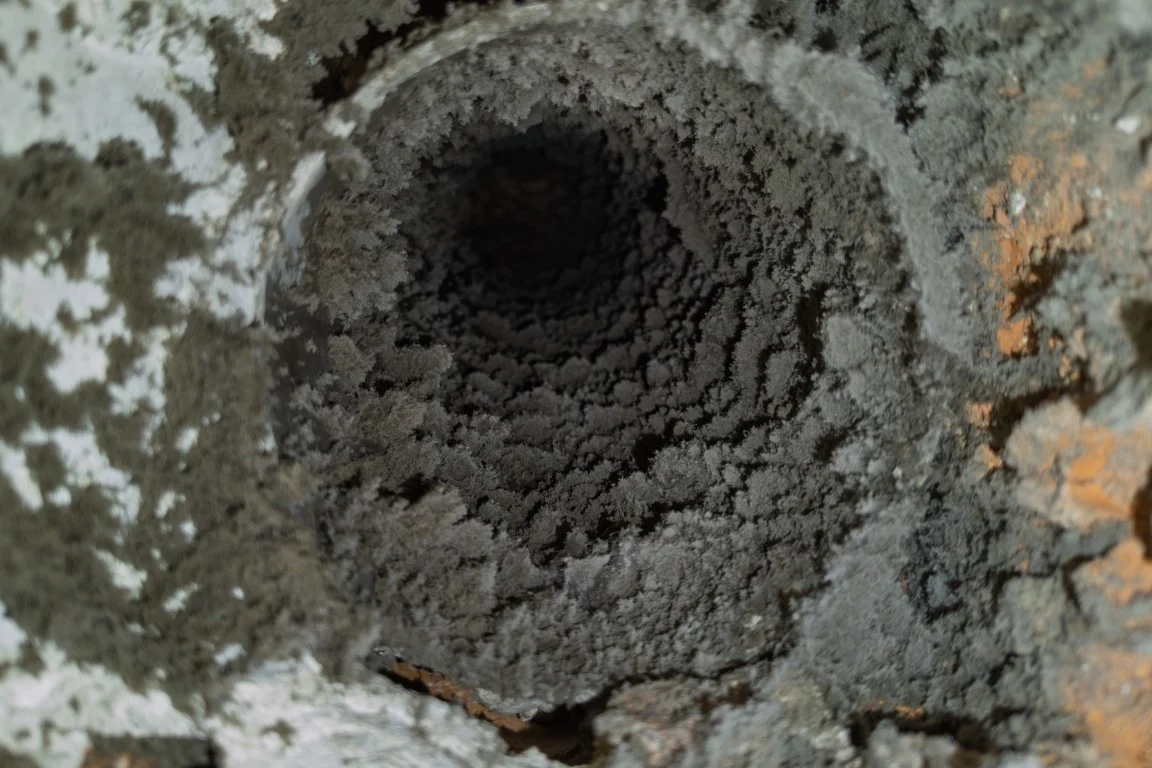
Why HVAC Mold Is Especially Concerning
Mold growth in your HVAC system is especially concerning because it allows mold spores to be distributed throughout your entire home. This means mold can spread to your walls, ceilings, and insulation rather than just staying contained within your HVAC system.
Furthermore, because the system is operating regularly, it continuously exposes you and your family to mold, potentially causing allergic reactions, sinus issues, asthma flare-ups, breathing difficulties, chronic coughing or throat irritation, and more. Children, seniors, and those with existing respiratory conditions are at a higher risk of mold-related health issues, especially with long-term exposure.
Signs You May Have Mold in Your HVAC System
It’s important to be on the lookout for signs you may have mold in your HVAC system. There won’t always be visible mold around the vents or inside the ducts, but you may notice:
- Musty or earthy odors when the system runs
- Allergy-like symptoms, respiratory irritation, headaches, or fatigue that improve when you’re away from home
- Excessive dust or debris coming from the vents
The Role of Professional Mold Testing
If you notice any of these signs, it’s a good idea to schedule professional mold testing. These services are also ideal after water damage or flooding, when buying or selling a home, if musty odors remain even after HVAC cleaning, and as part of a proactive indoor air quality management strategy.
The testing process includes a visual inspection of the HVAC components, moisture readings and humidity assessment, air quality testing near vents and returns, and surface sampling. Once the lab has analyzed the collected samples, you’ll get a clear, easy-to-understand report outlining where mold was found and what types of mold you’re dealing with.
From there, the technician can identify the source of the moisture fueling the mold growth, come up with a plan for remediation, and provide you with tips and strategies for preventing future mold growth.
What to Do If Mold Is Found in Your HVAC System
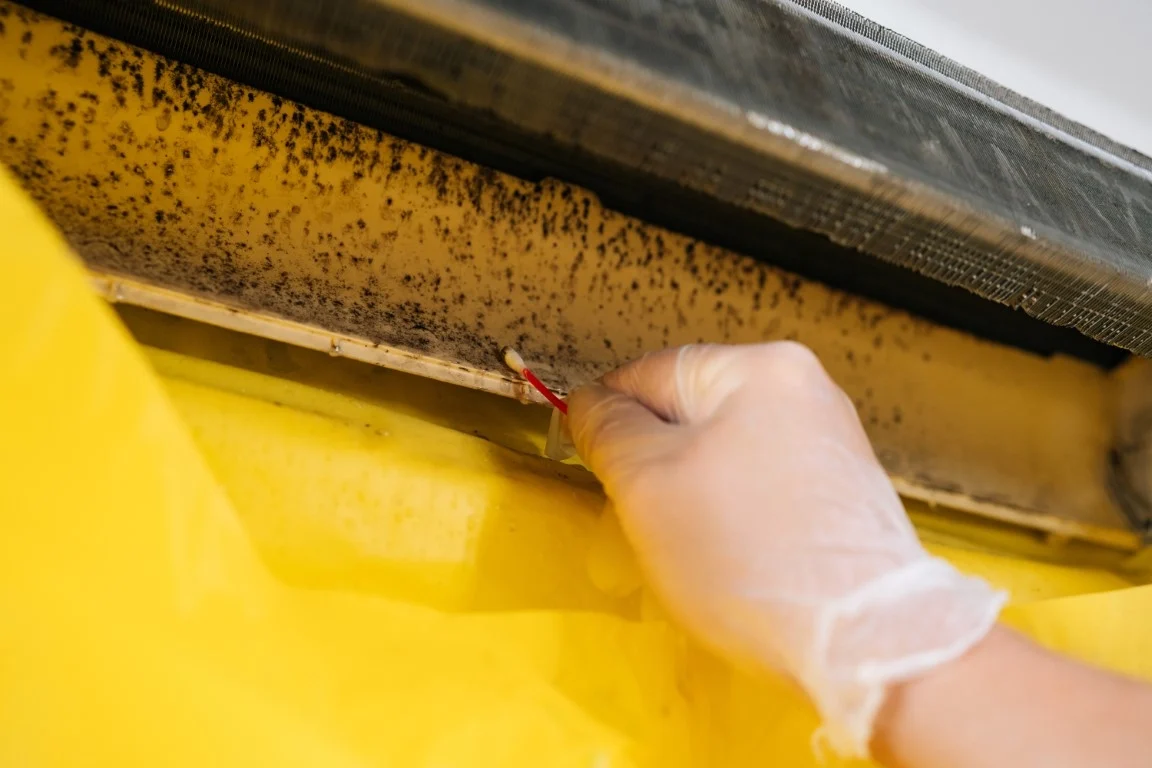
If mold is found in your HVAC system, it’s crucial to seek remediation as soon as possible, address moisture issues to prevent mold from coming back, and get post-remediation testing to confirm your home is back to normal.
You may be tempted to try to clean the mold yourself. However, DIY duct cleaning methods and household cleaning products come with some serious limitations. Surface cleaning doesn’t address hidden contamination; plus, you risk spreading spores without proper containment, making the problem worse. It’s best to leave remediation to the professionals, who have the tools, techniques, and equipment necessary to get the job done right.
Expert Mold Testing by Dry Force
If you suspect mold growth in your home, don’t wait until it has the chance to spread even further. Trust the experts at Dry Force to get to the bottom of it. Our technicians will perform thorough tests, provide you with detailed results, and give personalized advice for next steps. Contact us today to get on our schedule and take the first step toward achieving the peace of mind that comes when you know your home is safe and sound.