
Table of Contents
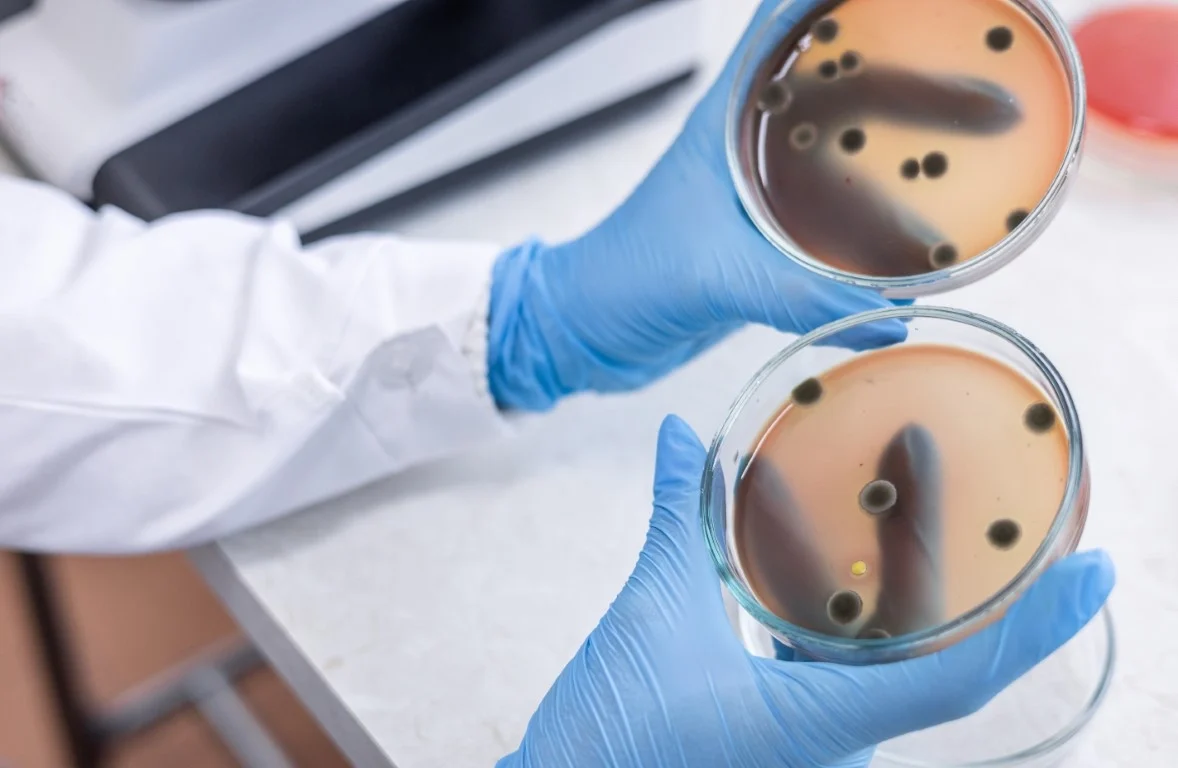
When you suspect you’ve got a mold infestation on your hands, reliable testing matters. Whether you’ve noticed musty odors, visible spots, water damage, or unexplained health symptoms, you need to be able to identify whether mold is present, what kind it is, and where it’s coming from.
While there are DIY mold testing kits available, they may not always provide reliable results. If you want accurate information and a clear understanding of the problem, professional testing is the best choice. Keep reading to learn more about the importance of proper mold testing, the pitfalls of DIY mold testing, the advantages of professional services, and more.
Why Accurate Mold Testing Is Important
Thorough, accurate, and reliable mold testing is crucial because mold is not always visible. Mold can hide behind walls, under flooring, and inside HVAC systems, causing respiratory symptoms, headaches, and allergy symptoms.
To effectively treat and mitigate mold, you’ll need to identify the type of mold, its concentration levels, and the source of the moisture. A simple “yes” or “no” — typically all you get with a DIY mold testing kit — isn’t enough. Without a complete picture of what you’re dealing with, you risk treating surface mold while missing hidden growth, delaying remediation due to unclear results, and letting structural damage worsen as time goes on.
The Basics of DIY Mold Testing
To help you understand why DIY mold testing doesn’t measure up, let’s go over the basics of how it works. With DIY mold testing kits, you collect samples at home — whether through petri dish air sampling kits, surface swab kits, or tape lift tests. Some kits require you to mail your samples to a laboratory, while others give you results at home.
While DIY mold testing kits come with a lower upfront cost, are readily available online or at hardware stores, and can confirm the presence of mold, they have some major drawbacks. They cannot assess hidden mold, may not accurately measure the concentration of airborne spores, and come with a risk of false positives or misleading results.
Plus, without professional training, you may have difficulty interpreting lab results or identifying the source of the moisture. You’re also not getting a full-property evaluation, which means you could be missing areas of mold growth in the walls, under the floors, or in your HVAC system.
The Advantages of Professional Mold Testing
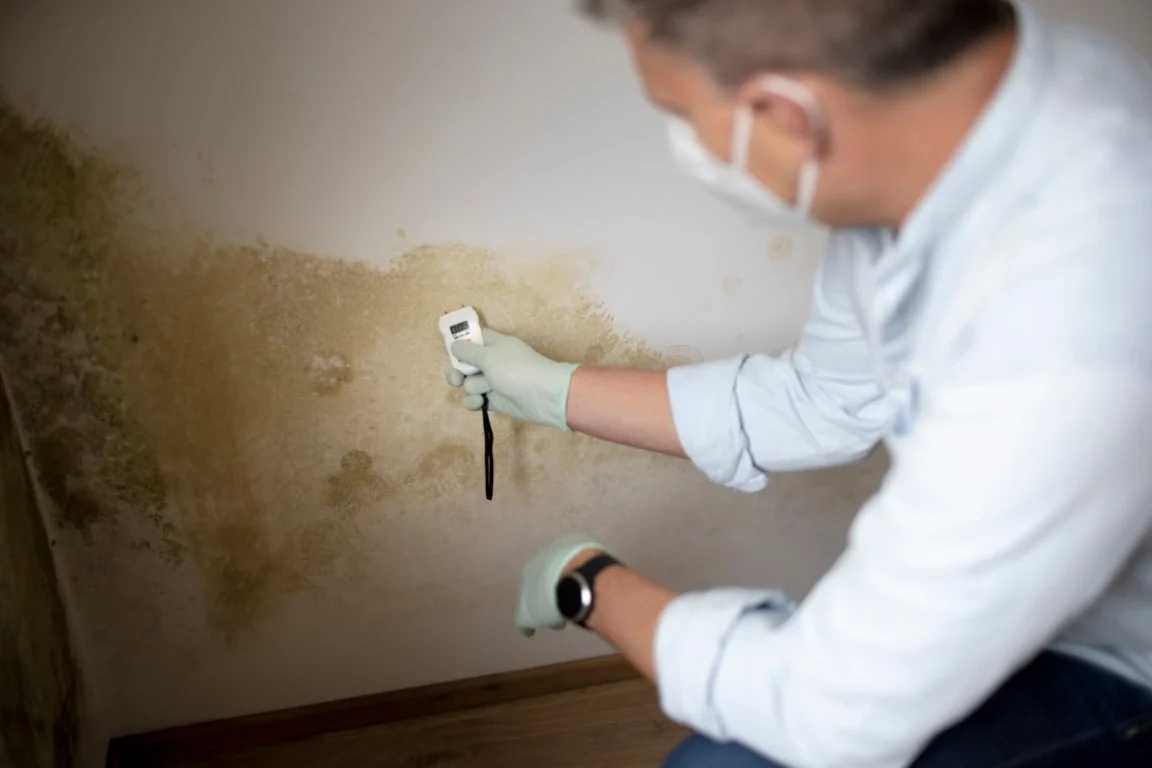
Professional mold testing provides many advantages over DIY mold testing. These services include a visual inspection of the entire property, moisture mapping and humidity readings, possible thermal imaging, air sampling, and surface sampling.
Mold testing technicians have access to professional tools that the average homeowner doesn’t, such as calibrated air pumps, moisture meters, and infrared cameras. Their training allows them to employ advanced techniques like spore trap analysis and laboratory-certified sample analysis, ensuring accurate, reliable results.
Speaking of results, your professional lab report will include:
- Identification of mold types
- Spore concentration levels
- Comparison to normal outdoor levels
- Clear explanation of findings
- Recommendations for remediation
- Documentation for insurance or real estate transactions
Cost Comparison: DIY vs. Professional Testing
DIY mold testing may seem like the cheaper option, but inaccurate results can come with a hefty price tag. The longer mold is allowed to grow unchecked, the more destructive it can be, impacting your home’s structural integrity and requiring more extensive — and expensive — remediation. A comprehensive assessment ensures no mold is missed, saving you money in the long run.
When DIY Mold Testing Might Be Appropriate
This doesn’t mean DIY mold testing isn’t useful. It can be helpful for confirming visible mold in a small, contained area; as a preliminary check before calling a professional; and in non-critical situations where your health is not at risk.
When Professional Mold Testing Is Recommended
Professional mold testing is recommended when:
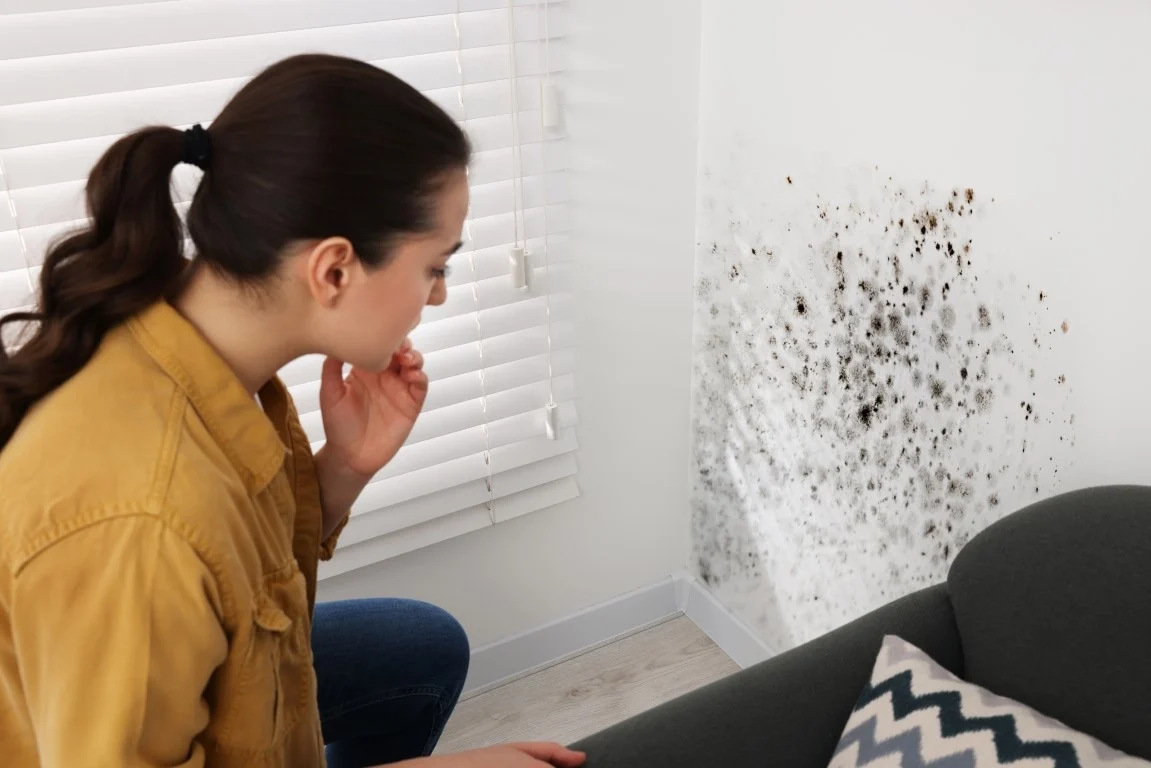
- There’s a persistent musty odor with no visible mold
- There has been recent flooding or water damage
- You’re experiencing ongoing respiratory or allergy symptoms
- You’re buying or selling real estate
- You want to verify that remediation was successful
- There’s a large or recurring mold growth
Professional Mold Testing by Dry Force
At Dry Force, we’re committed to providing you with the comprehensive answers you need to make informed decisions about your home. With certified testing, detailed reporting, and expert recommendations, you get the priceless peace of mind that comes when you know your home is mold-free. Contact us today to schedule your mold testing appointment!