
Table of Contents
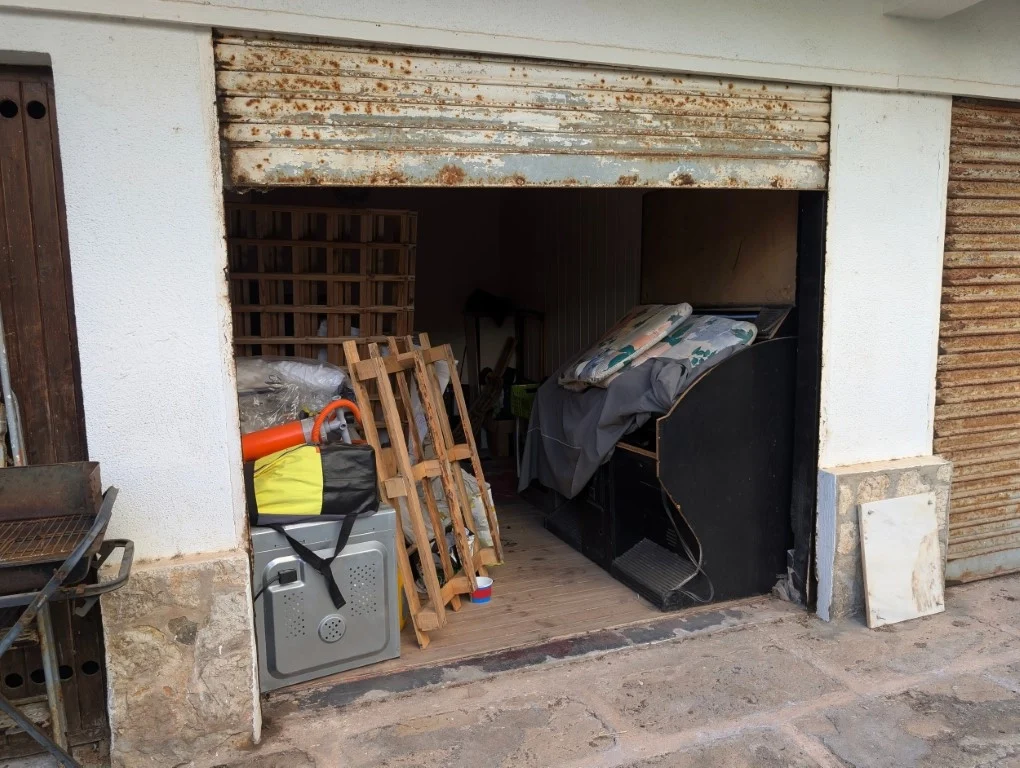
As we collect more and more stuff, our reliance on storage units grows. These facilities are a convenient way to store seasonal items, collectibles, and things you just don’t know what to do with — however, they can be vulnerable to hidden moisture and mold, putting your belongings at risk.
It’s important to seek professional mold testing at the first sign of trouble, ensuring the damage doesn’t spread. At Dry Force, we’re proud to provide storage unit mold testing services throughout Virginia, helping renters keep their property safe from mold and moisture issues. In this blog post, we’ll discuss why mold develops in storage units, signs to look out for, the role of professional mold testing, and how to prevent future infestations.
Why Mold Develops in Storage Units
First, let’s go over why storage units are at risk of mold growth. The main reason is that they’re prone to moisture intrusion. Roof leaks, damaged seams, poor drainage around the facility, and condensation from temperature swings can all create a moist environment where mold can thrive.
Virginia’s climate also plays a role, too. The high summer humidity levels can create moisture problems, especially without proper ventilation — which non-climate controlled storage units often don’t have. Plus, heavy Virginia storms can cause ground-level flooding, as well.
There’s also the fact that many of the items people store in storage units — cardboard boxes, upholstered and wood furniture, clothing and other textiles, paper documents, and books — are made of organic materials, which mold feeds on. Combine all these factors, and you get the perfect breeding ground for mold.
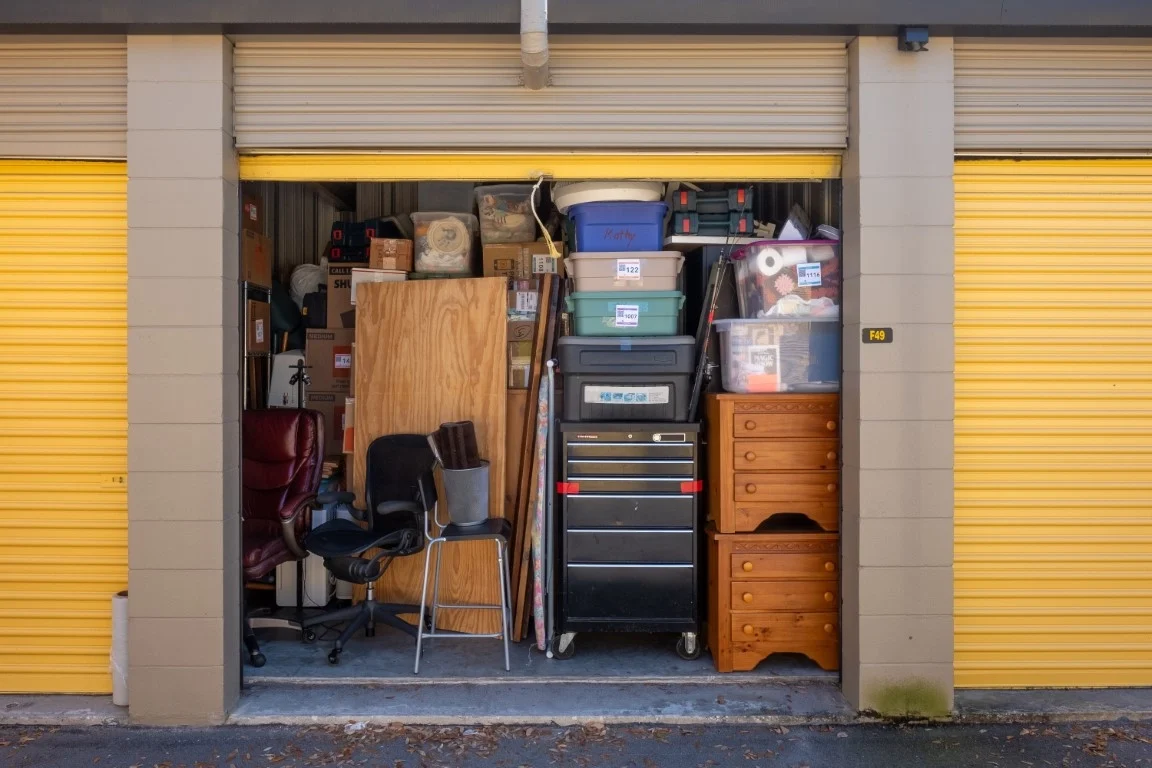
Signs of Mold in a Storage Unit
Be on the lookout for signs of mold growth in your storage unit, including:
- Black, green, or white spotting on surfaces
- Fuzzy growth on furniture or boxes
- Water staining on walls or ceilings
- A persistent musty or earthy smell
- Warped wood or swollen cardboard
- Rust forming on metal surfaces due to moisture
- Dampness on concrete floors
Why Professional Mold Testing Matters
If you notice any signs of mold growth, it’s important to seek professional testing to determine the severity and risk level. Because mold spores are invisible to the naked eye, a simple visual inspection isn’t enough to know the extent of the infestation — lab testing is typically necessary to get a full picture of the situation and determine what (if any) remediation is necessary.
If you suspect mold growth in your storage unit, try not to disturb anything, especially not without proper PPE. Mold spores can trigger allergies and asthma, especially in those with existing respiratory conditions. Plus, it’s easy to accidentally cross-contaminate when removing your belongings, inadvertently making the problem worse.
The Mold Testing Process
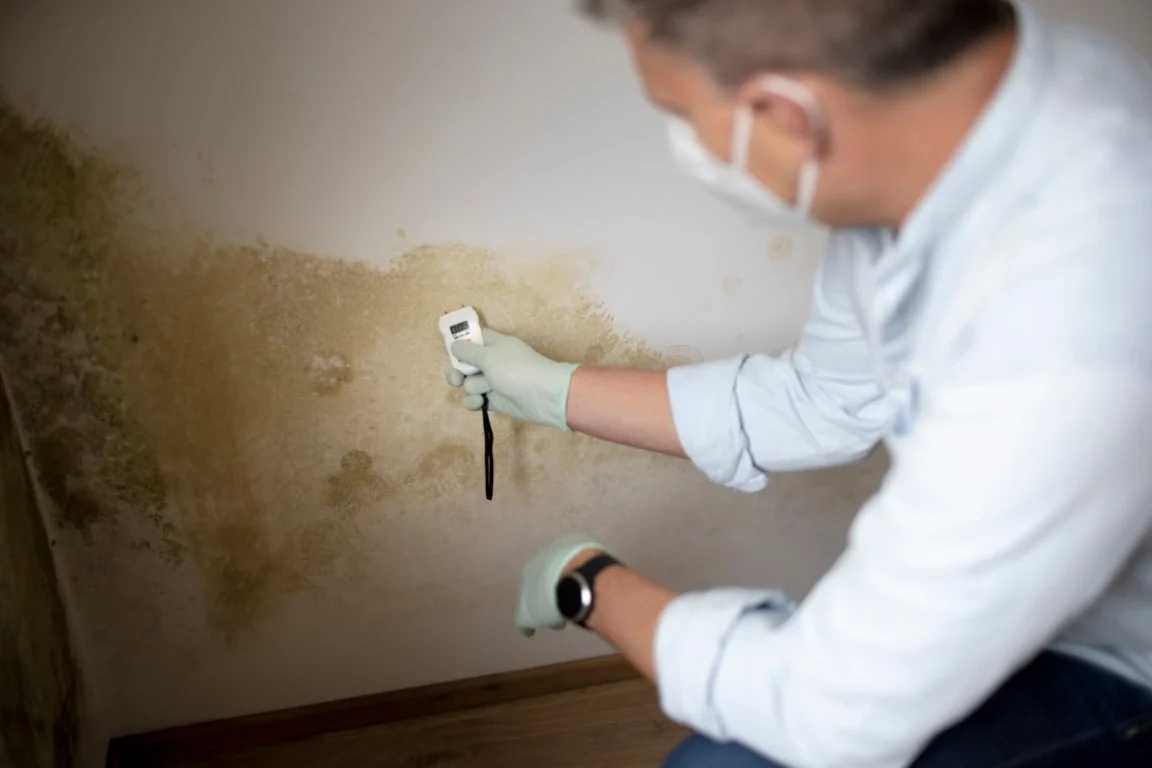
The professional mold testing process goes into a lot more detail than DIY test kits can provide. Technicians begin with an on-site visual inspection and take readings of moisture levels. They use air sampling techniques to compare mold spore concentrations in the indoor and outdoor air to identify elevated spore counts.
If they identify any suspicious areas, the technician will take surface samples, either with a swab or a tape lift, and send them to a lab for analysis and species identification. You’ll receive a detailed written report with the lab results and the next steps to take.
What Happens If Mold Is Found
If mold is found, it’s time for remediation. Professionals will isolate the contaminated items, provide specialized cleaning or disposal services, and address the source of the moisture so that the problem doesn’t reoccur.
You may need to involve the storage facility in the testing and remediation processes. Review the terms of your lease, document all findings for insurance claims, and notify management about structural moisture issues.
Preventing Mold in Storage Units
Preventing mold in your storage unit starts with choosing the right unit. Climate-controlled, interior units are less prone to mold than standard units with exterior access. You should also follow proper packing strategies like using plastic bins instead of cardboard, avoiding storing damp items, getting items off the floor when possible, and leaving space for airflow.
Don’t forget to visit the unit periodically to monitor everything. Regularly inspect your belongings for signs of mold and use humidity absorbers or desiccants to control moisture levels.
Reliable Mold Testing in Virginia
If you need mold testing in Stafford, Virginia, trust the experts at Dry Force. Whether it’s your home, storage unit, or business, our licensed mold testing technicians are here to help protect your health, your property, and your belongings. Contact us today to get started!