
Table of Contents
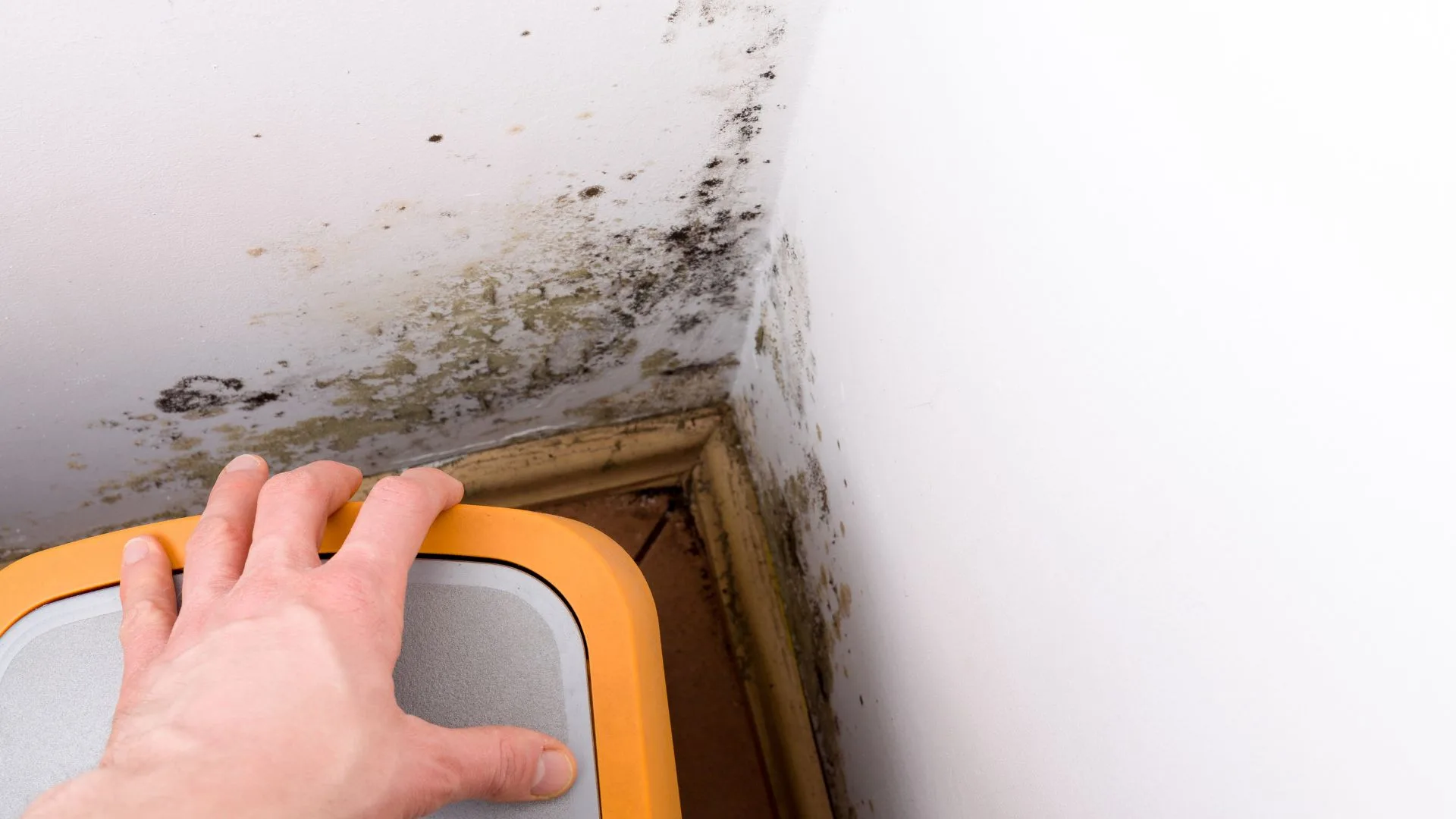
Mold thrives in warm, moist environments. This means that climate and weather play a significant role in indoor mold risk — the warmer and more humid it is, the more likely you are to encounter mold problems.
When you understand environmental factors that affect mold growth, you can be proactive about mold testing in different seasons. Keep reading to learn more about how mold grows, how climate affects your mold risk, and when is the best time to schedule a professional inspection with Dry Force.
How Mold Grows: The Role of Moisture, Temperature, and Airflow
Just like bacteria, mold spores are always present in your home. Normally, it’s not a concern until conditions are right and the mold starts growing. Mold thrives in warm, humid environments where there are organic materials to feed on, which means that condensation, leaks, and trapped moisture create breeding grounds. Poor ventilation can also increase mold risk regardless of climate.
How the Climate, Weather, and Environment Affect Mold Risk
Since environmental factors play a role in mold growth, homes in some climates are at a greater risk than others. Certain weather conditions within these climates can also impact mold risk.
High-Humidity Climates
High-humidity climates like those in coastal regions have an increased mold risk. The constant moisture in the air increases condensation on windows, walls, and HVAC systems, along with crawl spaces, basements, bathrooms, and attics. Homes in humid climates have an increased likelihood of hidden mold behind walls and under flooring, which is why using a dehumidifier and getting routine mold testing are so important.
Rainy and Wet Weather Patterns
Homes in wet, rainy climates often experience roof leaks, foundation seepage, and flooded basements. Gutters can overflow and cause water intrusion, and storm-driven rain can infiltrate siding, windows, and roof flashing. In particularly severe weather, power outages can disable dehumidification and HVAC systems, raising indoor moisture levels.
Whenever there’s water intrusion, mold typically begins growing within 24 to 48 hours, which means that professional mold testing is recommended after a severe storm.
Hot Summertime Weather
Warmer summertime temperatures accelerate mold reproduction. When you use your air conditioner more often, it creates more condensation on ductwork and vents. Plus, humidity can build up in poorly ventilated rooms, especially in vacation homes or closed buildings.
Cold Winter Weather
Even though mold likes warm environments, it can still thrive in wintertime. The warm indoor air meeting cold exterior surfaces can create condensation, ice dams can cause roof leaks and attic moisture, and humidifier use can increase overall indoor moisture levels. All of this means there’s an increased risk of mold inside wall cavities and insulation in the winter.
Seasonal Transitions
Seasonal transitions can also increase mold risk. The spring thaw can reveal winter moisture damage, fall temperature swings can create condensation cycles, and changing your HVAC system from heating to cooling mode or vice versa can stir dormant spores. Plus, spring and fall are known for increased rainfall, leading to a greater risk of moisture infiltration.
How Professional Mold Testing Helps Identify Climate-Related Problems
As you can see, no climate is immune to mold risk. No matter where you live, it’s essential to identify environmental factors that may increase your risk of mold infestation and act proactively.
Professional testing plays a crucial role in keeping your home safe from mold. Technicians can take samples of both the air and various surfaces, detect hidden moisture issues and elevated spore counts, establish a baseline for indoor air quality, provide seasonal monitoring, and let you know when remediation is necessary.
It’s a good idea to schedule professional mold testing:
- After water damage or flooding
- If musty odors persist
- When buying or selling a home
- After major storms or seasonal changes
- If occupants experience unexplained allergy or respiratory symptoms
- As part of routine home health maintenance
Mold Prevention Tips
To decrease your mold risk, follow these expert prevention tips:
- Maintain indoor humidity between 30–50%
- Use dehumidifiers and ensure proper ventilation
- Perform necessary roof, gutter, and foundation maintenance
- Ensure prompt drying after leaks or storms
- Perform seasonal HVAC maintenance and filter changes
- Seal air leaks and improve insulation
Professional Mold Testing by Dry Force
At Dry Force, we’re experts in how climate and weather can impact mold risk. We can assess your home’s risk, perform thorough testing, and guide you toward the next steps to ensure a mold-free home. Contact us today to learn more or schedule your appointment online.