
Table of Contents
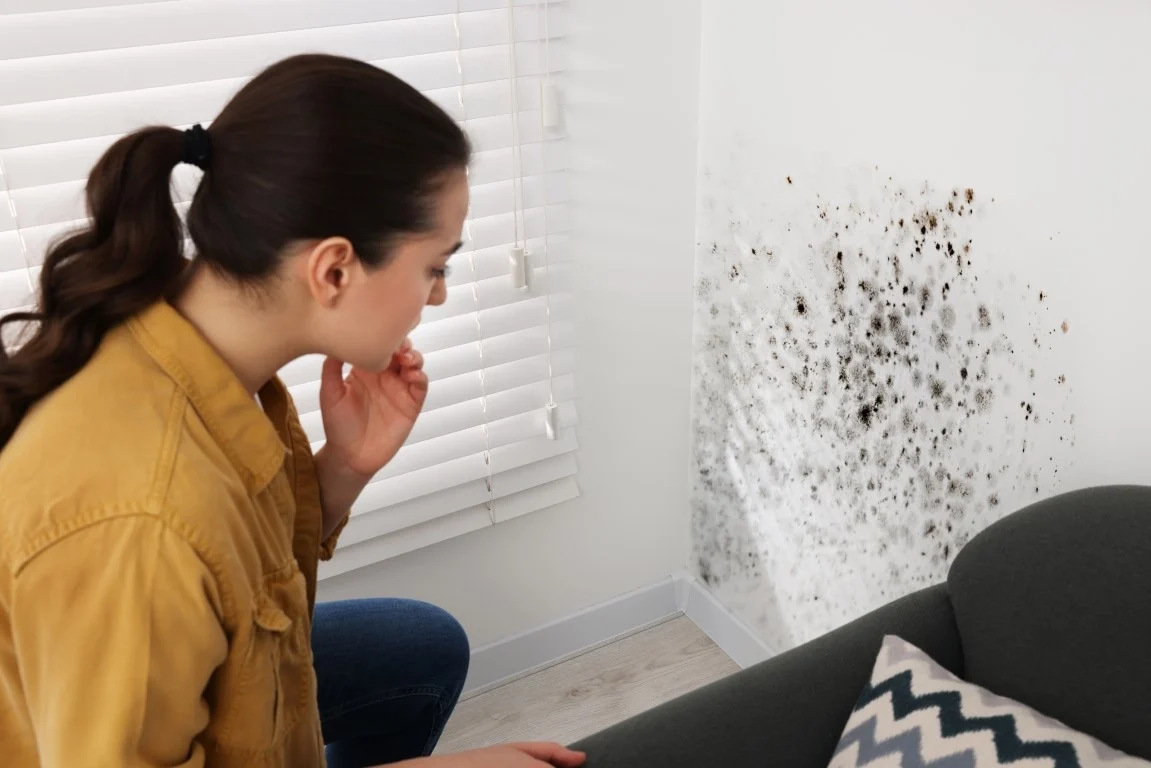
Mold prevention is essential for homeowners and property managers who want to avoid the health risks of mold exposure — such as asthma symptoms, allergies, and respiratory irritation — and the structural and financial damage mold can cause if left untreated. Plus, mold prevention is far more affordable and less stressful than remediation.
As certified mold testing and inspection experts, the team at Dry Force knows a thing or two about how to keep your property mold-free. Keep reading to learn what causes mold infestations, eight expert prevention tips, and when to schedule an appointment with one of our technicians.
What Causes Mold in Homes
Like bacteria, mold spores are always present in indoor and outdoor air. A small amount of mold isn’t a problem — however, when these spores are in a moist environment with plenty of organic material, it can lead to a full-blown infestation over time.
Common mold-causing moisture sources include:
- Water leaks in the roof, plumbing, appliances, or windows
- Flooding and water intrusion
- High indoor humidity levels
- Condensation on windows, pipes, and HVAC equipment
- Poor ventilation in kitchens, bathrooms, basements, attics, and crawl spaces
Expert Mold Prevention Tips
With that in mind, let’s go over some mold prevention tips you can follow to protect your property:
1. Control Humidity
Try to keep indoor humidity between 30 and 50 percent. If you live in a humid environment, it may be worth it to invest in a whole-home dehumidifier that hooks up to your HVAC system. Otherwise, you can use self-contained dehumidifiers in basements and other damp areas.
2. Fix Leaks Promptly
Regularly inspect — or have a professional inspect — your plumbing, water heater, roof, appliances, and attic to ensure they’re leak-free. If there are gaps around your windows or doors, seal them off so no moisture can intrude.
If leaks or spills occur, dry wet areas within 24 to 48 hours to prevent mold growth. Fans and ventilation are particularly helpful after significant water exposure.
3. Prevent Condensation Buildup
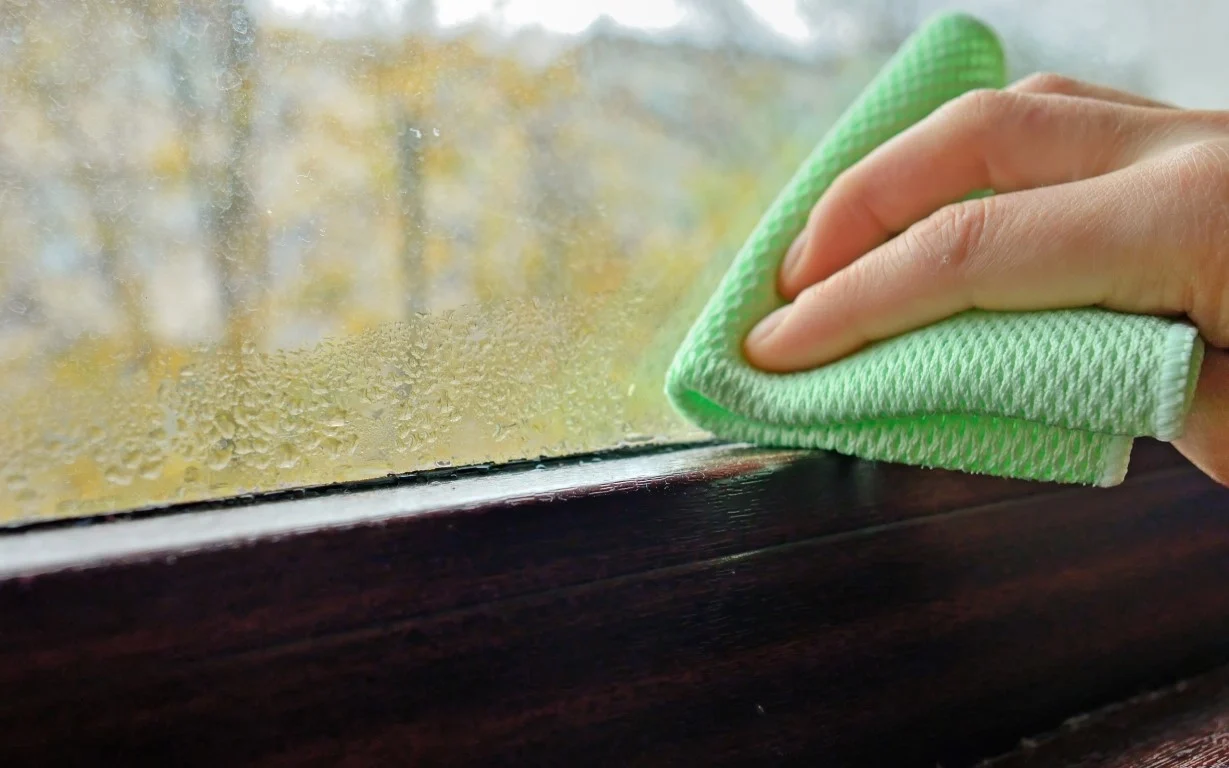
Maintain consistent indoor temperatures and insulate cold surfaces like ductwork, pipes, and exterior walls to prevent condensation buildup. If window condensation is a persistent issue, upgrade to energy-efficient windows or wipe down condensation promptly.
4. Ensure Proper Drainage
It’s also important to ensure proper drainage on your home’s exterior. Keep your gutters clean and make sure the downspouts extend away from the foundation to prevent water runoff from seeping into your home’s foundation.
5. Improve Ventilation and Airflow
Use exhaust vents in moist areas like bathrooms, kitchens, and laundry rooms to prevent them from becoming too humid. Vent your clothes dryer to the outside, not your attic or crawl space. Keep interior doors open when possible and avoid blocking HVAC vents to encourage airflow.

6. Smart Cleaning and Maintenance Habits
Adopt smart cleaning and maintenance habits tailored toward mold prevention. For example, clean your bathrooms regularly using specially formulated mold-inhibiting cleaners. Don’t leave wet towels, rugs, or clothing piled up in a way that prevents them from getting dry. Avoid carpet in moisture-prone areas, and get your belongings off the basement floor and away from exterior walls. If you’re planning renovations in the near future, use mold-resistant drywall and paints.
7. Protect High-Risk Areas in the Home
Pay special attention to high-risk areas in your home:
- Bathrooms: In addition to proper bathroom exhaust fan usage, reseal grout and caulking as needed.
- Basements and crawl spaces: Use vapor barriers and address groundwater intrusion in your basement or crawl space.
- Attics: Check your attic for roof leaks and adequate ventilation.
- Kitchens and laundry rooms: Monitor your appliance hoses and connections for leaks.
8. Seasonal Considerations
Tailor your mold prevention strategies to the current season. In spring, inspect your home for damage caused by winter moisture and clean your gutters and downspouts. In summer, monitor indoor humidity levels and ensure your AC drainage lines are clear. In fall, seal exterior gaps and prepare your ventilation system for colder weather. In winter, watch for window condensation and ice dam-related roof leaks.
Trust Dry Force for Professional Mold Prevention Support
The professional technicians at Dry Force are experts in mold prevention. Using advanced testing and analysis methods, we can provide ongoing monitoring and maintenance guidance, identify hidden mold you may not have noticed otherwise, and provide customized mold prevention and/or remediation recommendations for your property.
When you work with us, you can experience the peace of mind that comes when you know your property is protected and your indoor air is healthy. Contact us today to schedule a mold inspection.